
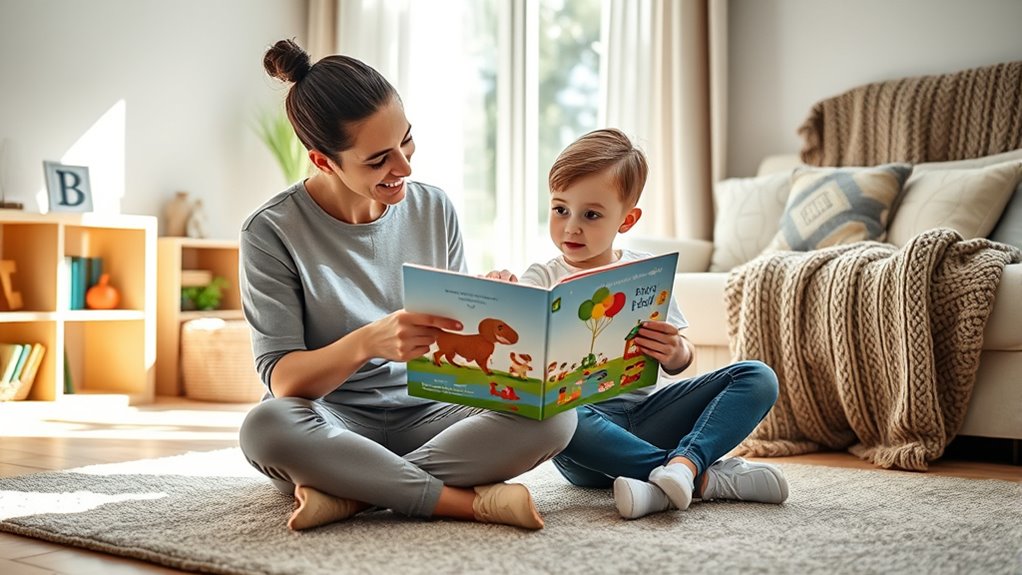
Building reading readiness starts with your child’s growing confidence in language and everyday curiosity. Create cozy, print-rich spaces at home, with accessible books and simple routines that invite talk, questions, and shared storytelling. Model sound play in daily moments, use dialogic reading with pauses for questions, predictions, and reflections, and keep activities short, fun, and predictable. Track tiny gains to celebrate progress and foster belonging. If you keep exploring, you’ll uncover more practical steps to support your child’s literacy journey.
Start Here: What Reading Readiness Really Means for Preschoolers
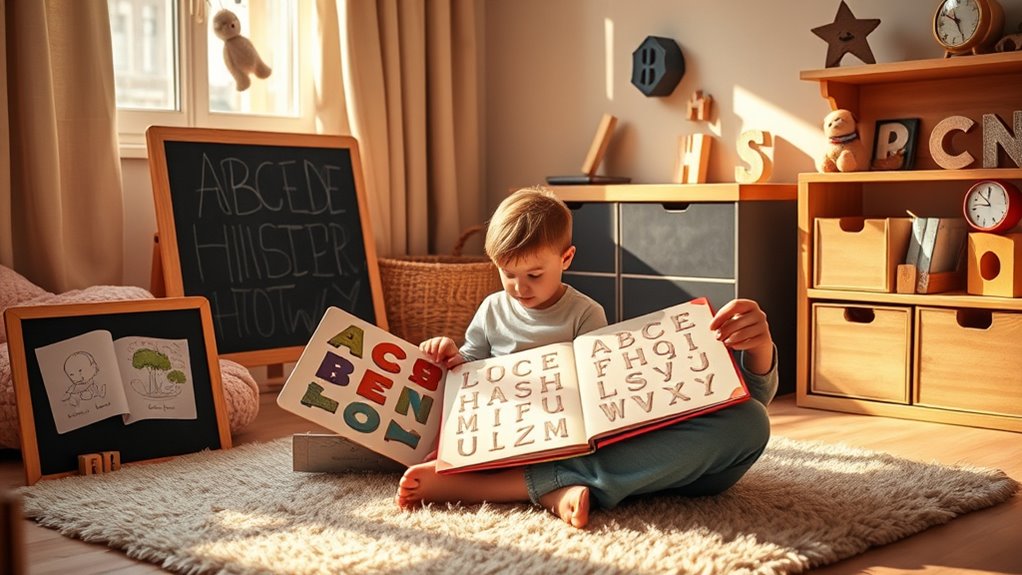
Reading readiness isn’t a single milestone, but a set of skills and experiences that prepare preschoolers to learn to read when they’re ready. You’re helping your child build a foundation grounded in social connection and daily curiosity. At its core, reading readiness means confidence in handling language, not perfection in letters. Phonemic awareness grows when you model sounds in everyday talk and play with word games, breaking words into syllables or sounds. Oral storytelling strengthens memory, sequencing, and listener engagement, while you listen—inaudibly nodding, asking gentle questions, inviting your child to add details. Create predictable routines, celebrate small gains, and stay patient. Your inclusive, supportive approach signals belonging and safety, so your child practices and thrives at each joyful step toward reading.
Create a Print-Rilled Home: Easy Spaces That Invite Books
You can start by creating cozy, kid-friendly spaces where books are within arm’s reach and inviting to explore. Keep easy access in mind—low shelves, labeled baskets, and a simple rotation of daily picks to spark curiosity. By organizing a few fresh reads each day, you’ll help your preschooler build comfort with books and encourage regular, independent viewing.
Find Cozy Nooks
Need a cozy spot that invites daily reading? You can create simple, purposefully placed corners that signal belonging and encourage routine. Start with low shelves or a bin for little books, so your child can reach them without help. Cozy nooks feel inviting when you add soft lighting, a small cushion, and a quiet color palette that reduces distraction. Use book borders—colorful tape or a simple border to frame shelves—so little ones learn where stories live. Keep the area tidy with a lightweight rug and clear pathways, which supports independence and reduces friction during transitions. Make it flexible: rotate a few titles weekly, invite your child to choose, and celebrate shared reading moments as a family.
Curate Easy Access
Wondering how to put books within effortless reach? You can create a print-filled home that invites reading by placing accessible shelves at child height and keeping a few favorites within easy sight. Use curated playlists of short, engaging titles to guide initial selections, then rotate as interests grow. This approach builds autonomy, reduces friction, and reinforces belonging in your living space. The goal is simple: everyday access to books strengthens routine and attachment to stories.
| Accessible Shelves | Curated Playlists |
|---|---|
| Low, sturdy, clearly labeled | Short lists by theme or season |
| Within reach in common areas | Easy-to-follow reading suggestions |
| Color-coded for quick choice | Visual cues to spark curiosity |
| Bins or baskets keep items organized | Links to activities that pair with reads |
| Consistent placement supports independence | Regular, light updates keep novelty |
Rotate Daily Picks
Rotating daily picks keeps the most engaging titles fresh and inviting, whereas teaching kids that reading is a moving, changeable part of daily life. You’ll cultivate belonging by involving your child in selection, rotating books based on interests and seasonal themes. This routine keeps exposure varied, supporting phonemic awareness as you point out sounds and letters during shared moments. Pair selections with dialogic reading: pause for questions, invite predictions, and discuss characters’ feelings. A simple, accessible display—low shelves, labeled baskets, or a rotating rack—encourages independent browsing and decision making. Track what resonates, and adjust to avoid overwhelm. Consistency matters more than volume; daily picks become a reliable cue that reading is valued, enjoyable, and part of everyday togetherness.
Foundational Moments: Phonemic Awareness in Everyday Life
Phonemic awareness isn’t a classroom skill reserved for later—it’s something you can weave into daily moments with your preschooler. You’ll notice small, steady opportunities to build listening and sound-play into everyday habits, reinforcing confidence and belonging.
Phonemic play fits daily life, building listening skills and confidence for preschoolers.
1) Notice rhymes during car rides or singing, and imitate playful sound patterns together.
2) Name initial sounds in familiar objects during snack time or baths, turning curiosity into quick, guided prompts.
3) Blend simple sounds to form words when you read labels, grocery lists, or playful pretend stories, keeping pace with your child’s curiosity.
Talk More, Read More: Dialogic Reading That Builds Language

You can boost your preschooler’s language by using dialogic reading techniques that turn reading time into a back-and-forth conversation. Ask open-ended questions, expand on your child’s ideas, and label sounds, actions, and feelings to build richer language skills. This talk-first approach complements reading aloud and supports ongoing language growth through everyday moments.
Dialogic Reading Techniques
Dialogic reading turns a shared storytime into an active language-building experience. With these techniques, you’ll invite your child to think, talk, and connect new ideas to familiar ones.
- Use dialogic prompts to prompt explanations, predictions, and descriptions.
- Emphasize parent talk that labels actions, feelings, and reasoning to model rich language.
- Pause for your child’s responses and expand on their ideas to deepen understanding.
Key benefits: stronger vocabulary, better comprehension, and greater confidence during storytime. To maximize impact, choose engaging questions, relate story events to real life, and celebrate every attempt your child makes to contribute. Dialogic reading isn’t about finishing a book; it’s about building conversation skills that support literacy development. You’re guiding, listening, and learning together.
Building Language Through Talk
Ever wonder how talking more can boost your preschooler’s language learning during shared reading? When you engage in dialogic reading, you turn reading time into a back-and-forth conversation. Ask open questions, invite your child to fill in words, and label emotions, actions, and sounds. This active talk builds phonemic awareness as your child tunes into sounds and syllables, a foundational skill for later literacy. Read with intention: pause, reflect, and rephrase, letting your child lead at times. Celebrate their ideas, even when they’re simple, to foster a sense of belonging and confidence. Use picture cues to extend talk and connect words to real life. If you model curiosity, your child will echo that interest and grow language through meaningful interaction.
Sound It Out: Simple Activities to Boost Phonological Skills
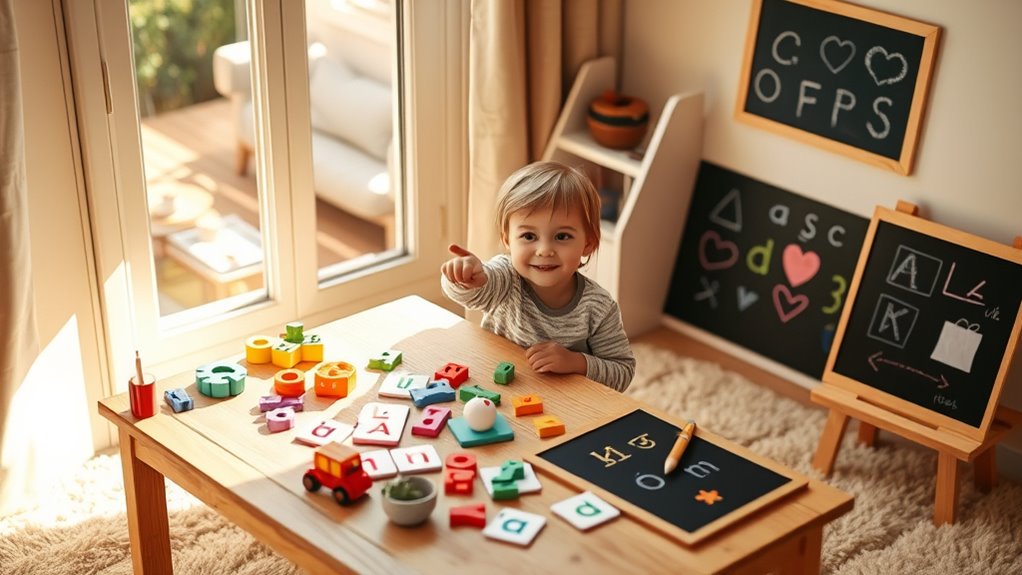
Sound it out is a simple, effective way to build phonological skills at home. You’ll support your child’s phonemic awareness by turning words into sounds, making syllables, and blending them back together. Short, playful activities fit naturally into daily routines and boost confidence.
1) Say a word, then break it into sounds, and have your child blend them back.
2) Clap or march through syllables to connect rhythm with recognition.
3) Play “sound swap” games: change the first sound to form a new word, then repeat with others.
These practices are evidence-based, kid-friendly, and foster belonging as you learn together. You’ll notice growing fluency as your child learns to sound out common words, building a strong reading foundation.
Model Fluent Reading: Demonstrating Habits You Value
Model fluent reading starts at home by showing the habits you want your child to adopt. When you read aloud with expression, your child sees fluency in action and learns pacing, tone, and confidence. Demonstrating habits like naming sounds, asking questions, and pausing for reflection reinforces that reading is shared, enjoyable work. Your modeling should feel natural and inviting, not forced. You’ll show that reading happens every day, in a cozy spot, with a curious mindset. Remember: model fluent reading, demonstrating habits through consistent practice and warm feedback. Table below paints a clear picture of daily examples.
| Morning routine | Evening routine |
|---|---|
| Reading snack | Shared storytime |
| Quick tip: read aloud with expression | Invite your child to point to words as you read |
Questions That Spark Curiosity During Stories
As you read, pause to ask questions that invite curiosity, then listen and respond with warmth to your child’s thoughts. Use short prompts that expand thinking and invite details about story moments, settings, and characters. By guiding curiosity with thoughtful questions, you’ll help your child notice story details and build inquiry habits that last.
Spark Curiosity Through Questions
Curious minds grow from everyday questions, so asking the right ones during stories can spark your preschooler’s thinking and language. When you pause to wonder aloud, you invite participation, not pressure, and you model curious, collaborative thinking. This supports phonemic awareness and strengthens dialogic reading, helping your child connect sounds to meaning.
- Ask open-ended questions that start with what, why, how, or where, and wait for their response.
- Invite them to predict outcomes or retell a scene in their own words, then gently correct with prompts.
- Relate questions to their world, linking a story moment to daily routines and feelings.
Together, these quick checks cultivate belonging, confidence, and joyful, shared exploration of language.
Pause, Respond, Expand Thinking
What questions can keep a story alive for your preschooler? When you pause, you give space for thinking, not just finishing the plot. Then you respond with warm, open-ended prompts that invite exploration. Instead of yes/no queries, try questions that start with what, why, or how, and name the feeling or detail you notice. This pause thinking moment lets your child connect the story to their world. Your responses should affirm effort and curiosity, not just correct answers. Finally, expand thinking by inviting your child to predict outcomes, compare characters, or imagine alternative endings. This pattern—pause, respond, expand thinking—turns reading into an active conversation, builds confidence, and reinforces shared attention. Your steady, thoughtful approach strengthens belonging and joy in reading together.
Story Details For Inquiry
Story details can be the spark that keeps a story alive for your preschooler. By asking targeted questions, you invite curiosity and deepen comprehension, turning reading into a collaborative inquiry. Use simple prompts that invite thinking, not just recalling. This strengthens storycrafting routines and supports confident participation during shared book time.
Here are practical prompts:
1) What would you add to the story if you could change one detail?
2) Which character would you be friends with, and why?
3) What do you think happens next, and what clues support your guess?
Incorporate picture book selection that reflects diverse settings and lessons, then pause for your child’s perspective. These steps create belonging, trust, and a sense of mastery in literacy conversations.
Playful Literacy Across Routines: Meals, Commutes, and Chores
Are you using daily routines like meals, commutes, and chores as chances to grow your child’s literacy skills? You can turn everyday moments into learning opportunities without pressure. During meals, narrate what’s happening, sing short rhymes, and ask simple questions to invite thinking. On commutes, point out letters on signs, describe sounds in words, and play phonemic games to stretch attention to sounds. Chores become practice in sequencing and shared reading rituals—use labels, count items, and read recipe cards or labels aloud. These small, consistent moments build confidence and belonging. Keep the vibe light and collaborative, honoring your child’s curiosity. Evidence supports that routine-infused literacy supports reading growth, especially when both siblings and caregivers participate.
Track Tiny Wins: Encouragement That Moves the Needle
Tiny wins add up fast, and tracking them helps you see real progress rather than just hoping for it. When you name and celebrate small steps, you build a steady momentum boost that fuels daily practice.
1) Note a tiny victory each day, like a page read or a word pronounced with confidence, and share it with your child to reinforce pride.
2) Use simple logs or stickers to visualize progress, so you both feel connected to the journey and see the pattern over weeks.
3) Highlight how effort matters more than quick results, reinforcing a growth mindset and sense of belonging to a learning family.
These micro-moments create confidence, consistency, and a reliable momentum boost for reading readiness.
Next Steps for Busy Parents: Quick, Reproducible Routines to Keep Momentum
Busy mornings and packed evenings don’t have to derail reading momentum. You can build steady progress with two quick, reproducible routines that fit a busy life. First, pair a 5-minute read-aloud with a simple “story crown” activity: point to pictures, name letters, and preview the next page. This creates parent momentum by making each session predictable and rewarding. Second, establish a 2-minute pre-bed ritual: a shared picture walk, a single question about the story, then a quick recap of what happened. These brief, repeatable steps reduce planning load while reinforcing comprehension and recall. Consistency matters more than length, so use these quick routines daily. Your child experiences belonging, confidence grows, and reading momentum stays intact.
Frequently Asked Questions
How Can I Measure a Preschooler’s Reading Readiness at Home?
Like planting seeds, you measure readiness by observing your child’s word sounds, book handling, and interest. You can do a home assessment with simple, play-based tasks, noting progress over weeks to guide support and celebrate belonging.
What Everyday Signals Show My Child Is Ready to Read?
You’ll know your child is ready to read when they show interest in letters, sounds, and stories, and you observe consistent daily literacy habits, like naming letters, retelling simple stories, and requesting more books to support daily literacy habits.
Which Books Best Support Early Phonemic Awareness?
Phonemic awareness thrives with playful phonemic games and thoughtful book selection; you’ll notice progress as eager questions pop up, sounds align, and confidence builds, proving your choices support belonging, curiosity, and evidence-based, kid-friendly reading growth.
How Often Should We Do Reading Activities During a Busy Week?
You should fit reading activities into your week consistently, aiming for several short sessions most days. Include reading games and cozy read alouds to reinforce skills, offer belonging, and keep sessions enjoyable and evidence-based for your child.
How Can I Involve Siblings in Building Reading Routines?
Siblings involvement boosts family reading time by up to 25%, so you can pair younger children with older siblings for shared reading. You, as a parent, guide, cheer, and celebrate every turn, fostering belonging and consistent, evidence-based practice.