
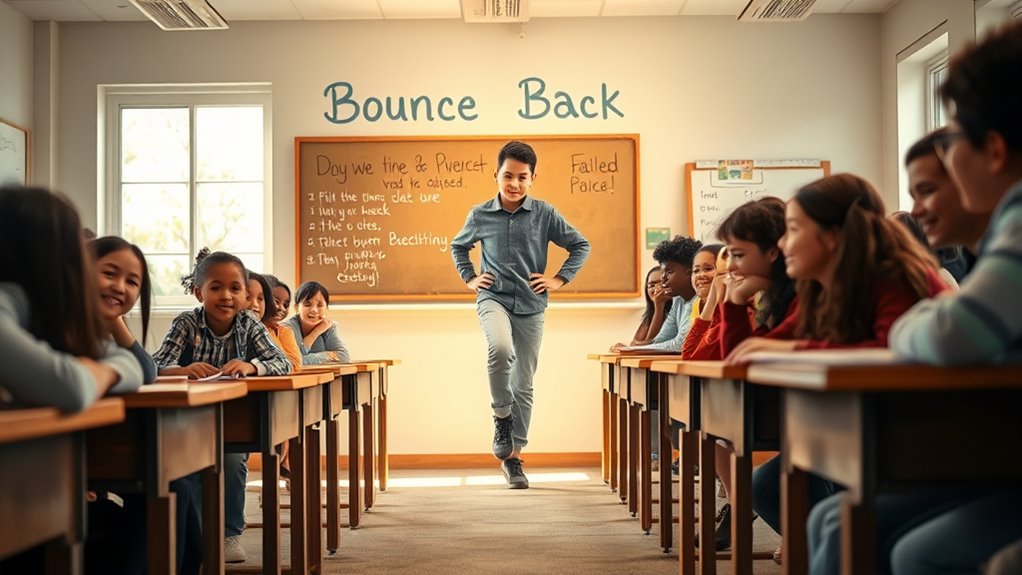
You’ll build resilience in your classroom by showing students how setbacks reveal what to adjust, not who they are. Use concrete strategies, timely feedback, and a collaborative culture that reframes challenges as vital learning steps. Model daily resilience with calm thinking and clear reasoning, and support persistence through routines, reflection, and peer collaboration. Track progress with small wins and celebrate growth, not perfection. If you keep exploring, you’ll uncover more practical approaches you can implement today.
What Resilience Looks Like in the Classroom (Observable Outcomes and Indicators)
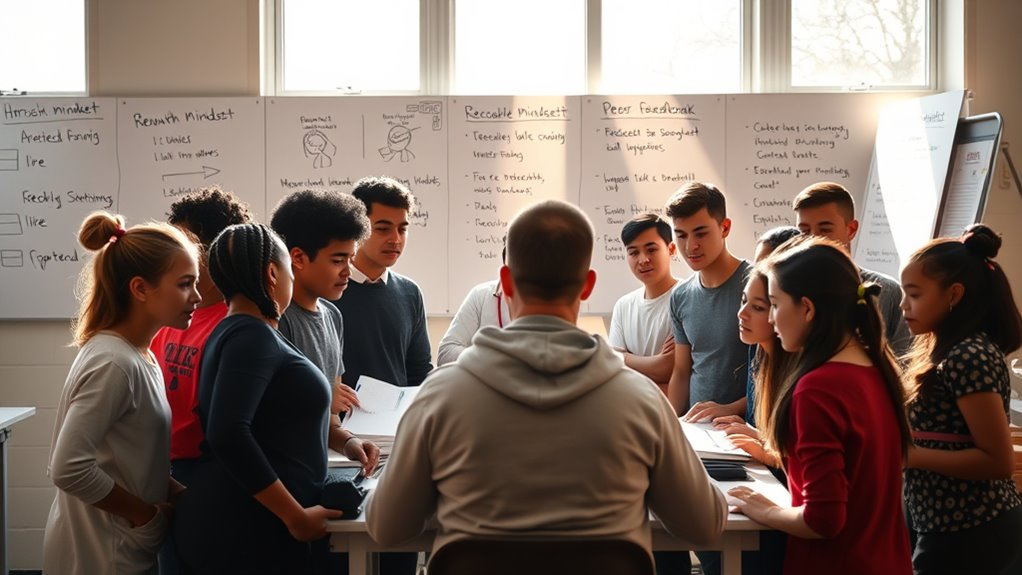
What resilience looks like in the classroom can be observed through students’ adaptive behaviors during challenges, not just their final outcomes. You’ll notice observational indicators that reflect persistence, problem-solving, and collaborative help-seeking, rather than just correct answers. When a task stalls, you observe steady focus, self-regulation, and a willingness to adjust strategies. Classroom performance becomes a dynamic story: effort, reflection, and growth shown across activities, discussions, and assessments. You’ll see how students reframe mistakes as informative steps and support peers without sacrificing self-confidence. The environment itself matters: predictable routines, feedback that’s constructive, and opportunities to self-advocate. These patterns signal a resilient classroom culture where belonging supports risk-taking and steady progress.
Reframing Challenges for Learning: Turning Setbacks Into Opportunities
When you reframe setbacks as opportunities to grow, you shift the learning pathway from error avoidance to skill-building. By labeling challenges as chances to develop strategies and deepen understanding, you encourage students to see effort as a route to mastery. This collaborative approach—combining evidence-based feedback with reflection—helps turn every hurdle into a step forward.
Reframe for Growth
Reframing challenges isn’t about denying difficulty—it’s about guiding students to see setbacks as data they can use. When you model growth mindset in daily practice, you invite curiosity over frustration, and you validate effort as a path to progress. In practice, you frame challenges as opportunities to refine strategies, not as labels of failure. Your language should emphasize process, reflection, and collaboration, so learners feel seen and supported. Use challenge framing to shift emphasis from “why me?” to “what next?” and “what’s the next best move?” Collectively analyze results, celebrate small wins, and translate setbacks into actionable steps. This approach builds belonging, resilience, and shared responsibility for learning.
Turn Setbacks to Skill
Setbacks aren’t roadblocks to learning—they’re raw material you can turn into skill. When you face a challenge, you can reframe the moment as evidence about what to adjust, not a verdict about your ability. Turn setbacks into skill prompts—short, concrete cues that guide your next steps and reveal what to try differently. You’ll grow smarter by testing strategies, gathering feedback, and reflecting on what worked. Share your process with peers; collaboration turns solitary effort into shared insight. The goal isn’t perfection, but momentum—small improvements that compound. Approach each stumble with curiosity, document your next move, and rate its impact. This practice builds confidence, belonging, and resilience, showing that learning thrives when you treat setbacks as the stepping stones they are.
Five Practical Resilience Strategies Students Can Use Today
Here are five practical resilience strategies you can use today to bounce back from challenges: 1) Reframe setbacks as information you can learn from, not as personal failures; 2) Develop a quick emotional check-in routine (name the feeling, rate intensity, and decide a tiny next step); 3) Build a small, consistent action plan—one clear task you can complete today that moves you forward; 4) Cultivate a reliable support network by naming one trusted person you can turn to when you’re stuck; 5) practice deliberate self-talk that’s compassionate and constructive, replacing self-criticism with evidence-based reminders of past successes.
- resilience myths
- setback narratives
- trusted voices
- daily micro-actions
- compassionate language
Modeling Resilience Daily: Concrete Demonstrations Teachers Can Show
Modeling resilience daily means teachers show—not just tell—how to handle tough moments with calm, curiosity, and care. You demonstrate steady breath, reflective listening, and transparent problem solving, so students witness resilience as a practiced skill rather than an abstract concept. When a setback occurs, you narrate your thinking, invite student input, and model flexible reframe as a learning step. This continuous demonstration builds trust, belonging, and shared language around effort and growth. Two word discussion ideas: modeling resilience, daily demonstrations. Your classroom becomes a live guide—showing how to acknowledge disappointment, seek support, and adapt strategies without shame. Evidence-based routines, collaborative reflection, and consistent tone reinforce persistence as a communal value, not just an individual trait.
Building Social-Emotional Supports for Persistence

How can we structure social-emotional supports so students keep trying after challenges? You’ll build a classroom culture where persistence feels possible through shared routines, explicit feedback, and collective storytelling that centers curiosity cultivation. You’ll pair adults and peers to model hopeful problem-solving and offer timely persistence prompts that invite students to reflect on next steps rather than flaws. Evidence suggests that structured supports reduce stigma and increase willingness to persist, especially when students feel seen and connected. Your approach should be collaborative, data-informed, and adaptable to individual needs, ensuring every learner has a voice in their growth.
- curiosity cultivation as a daily practice
- clear persistence prompts after missteps
- peer coaching for steady effort
- affirming feedback that focuses on process
- inclusive routines that normalize struggle and retrying
Reflection and Regulation Routines to Recover Quickly and Stay Curious
You’ll explore reflective recovery routines that help students process setbacks and bounce back with greater resilience. Together, we’ll link curious regulation practices with calm, focused action so kids recover quickly and stay engaged in learning. This collaborative approach is grounded in evidence about short, intentional routines that support self-awareness and sustained curiosity.
Reflective Recovery Routines
In the midst of a challenge, how quickly you can regroup matters as much as how you respond. Reflective recovery routines empower you to pause, label feelings with recovery language, and shift toward constructive action. By naming what happened, you reduce overwhelm and invite steadier momentum. These practices build confidence, connection, and curiosity, helping you bounce back faster without losing your sense of belonging. Use reflective routines to identify small next steps, reframe setbacks as learning, and celebrate progress, not perfection. When you model these habits, you invite peers to experiment alongside you, reinforcing a collaborative classroom culture that values growth.
- Pause, name, and normalize your feelings with recovery language
- Identify one concrete next step to regain forward motion
- Reframe the setback as a learning opportunity
- Check in with a trusted peer or mentor
- Reflect briefly on what helped and what to adjust next
Curious Regulation Practices
Curious Regulation Practices blend reflection with quick, actionable strategies to stay involved after a setback. You’ll foster curiosity cohesion by naming emotions, re framing the moment, and asking, What’s one small next step I can take? Short, evidence-informed regulation routines help you regain control: inhale for four counts, exhale slowly, then journal one concrete action. You’ll work with peers or mentors to normalize mistakes as data, not failures, reinforcing belonging. Use a brief check-in ritual: pause, label, plan, reflect, and share one insight with a trusted ally. Track patterns over time to notice progress, not perfection. This approach respects individual pace while providing practical steps, so you remain engaged, resilient, and curious, ready to reengage with learning and community after each setback.
Measure Progress and Sustain a Growth-Minded Culture
To measure progress and sustain a growth-minded culture, start by defining clear goals, track concrete milestones, and celebrate small wins that signal emerging resilience. You’ll anchor effort in curiosity cultivation and persistence pacing, ensuring every student feels seen and supported as they grow. Progress rests on concrete feedback, collaborative reflection, and a shared sense of belonging.
- Set transparent goals tied to real-life tasks
- Record milestones and celebrate incremental gains
- Provide timely, evidence-based feedback
- Normalize setbacks as learning opportunities
- Foster peer collaboration and reflective practices
Frequently Asked Questions
How Can Parents Reinforce Classroom Resilience at Home?
Yes—you can reinforce resilience at home by modeling calm problem-solving, validating emotions, and maintaining supportive routines. As parents practice consistent encouragement, you build belonging, using home routines to scaffold growth, collaboration, and evidence-based strategies together.
What Role Do Peers Play in Bouncing Back From Failure?
How do peers help you bounce back from failure? Peers mentoring and peer feedback foster belonging, shared coping, and evidence-based support; you gain perspective, practice resilience together, and feel understood, empowered, and supported through collaborative, empathetic growth.
How Do We Tailor Resilience Strategies for Diverse Learners?
You tailor resilience strategies by recognizing diverse learners’ needs, collaborating with families, and applying evidence-based adjustments. You’ll implement flexible supports, culturally responsive practices, and ongoing feedback, ensuring every student feels seen, valued, and capable of bouncing back.
Can Resilience Improve Test Performance or Only Mindset?
“Break a leg” is an idiom used here. You can see that resilience testing and mindset effects both matter; you improve test performance when you cultivate adaptive thinking, coping skills, and supportive collaboration, coordinating with evidence-based, empathetic, belonging-focused practice.
What Are Common Signs a Student Is Silently Struggling?
You’re noticing withdrawal indicators and subtle anxiety signals when a student seems quietly overwhelmed, and you’ll respond with empathy, evidence-based strategies, and collaboration to support belonging and address their silent struggles together.