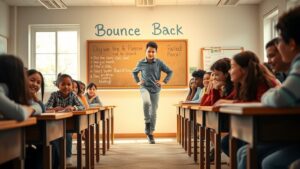

Holistic education means your child grows beyond test scores by weaving cognitive learning with emotional, social, and physical development into daily routines. It emphasizes real-world inquiry, collaboration, and ownership, supported by mindful practices, movement, and SEL modules that reduce stress and sharpen attention. Outcomes are tracked with equitable policies, transparent data, and portfolios, not just grades. Schools and homes align schedules, feedback, and inclusive rituals to nurture resilience and problem-solving. If you want more context, you’ll find practical guidance ahead.
What Holistic Education Really Means for Your Child’s Growth

Holistic education centers on growth that goes beyond test scores, integrating cognitive, emotional, social, and physical development to prepare your child for real-world challenges. You’ll see growth measured not only in grades but in everyday problem solving, collaboration, and resilience. Data show that classrooms fostering mindful curiosity enhance inquiry, adaptability, and metacognition, while structured autonomy supports responsible decision-making and ownership over learning. Policy-minded approaches emphasize still-uniform outcomes across diverse communities, ensuring equitable access to such environments. When you participate, you contribute to a learning culture that values mental well-being, civic awareness, and physical health as integral to achievement. In this framework, your child gains a coherent, measurable trajectory toward lifelong learning, belonging, and meaningful contribution.
How Holistic Learning Differs From Traditional Schooling: Key Distinctions
The key distinctions between holistic learning and traditional schooling start with goals: holistic approaches prioritize the development of cognitive, emotional, social, and physical capacities alongside content mastery, whereas traditional models often center on standardized achievement measures. In practice, you’ll see holistic models emphasize collaboration, inquiry, and relevance to real life, not just test scores. Policy-minded analyses show that learning environments designed for student agency correlate with steadier engagement and lower dropout risk, while still meeting accountability standards through outcomes beyond exams. Critical pedagogy informs this shift, encouraging students to view knowledge as socially situated and actionable. You benefit from inclusive, responsive learning environments that value voice and reflection, aligning school culture with belonging and equity.
The Core Elements: Mind, Body, and Social-Emotional Growth
How do schools translate holistic aims into concrete practice? You’ll see alignment across cognitive, physical, and social-emotional domains, with data guiding decisions, not guesses. Mindful routines, movement breaks, and social-emotional learning modules form a connected ecosystem, reinforcing core competencies through daily practice. Mindfulness practices reduce stress and improve attention, while structured peer relationships accelerate collaboration and empathy, creating a sense of belonging. Policy-minded metrics track participation, outcomes, and equity, ensuring programs meet diverse needs. The table below highlights drivers, actions, and outcomes in practice.
| Driver | Action | Outcome |
|---|---|---|
| Mindfulness | Daily routines | Improved focus |
| Body | Physical activity | Healthy regulation |
| Social-emotional | Collaborative projects | Strong peer support |
| Assessment | Data analytics | Informed adjustments |
Practical Ways to Support Holistic Learning at Home and School

Across home and school, practical supports translate holistic aims into everyday routines. You’re invited to embed holistic learning through measurable practices: establish consistent practice routines that alternate academic tasks with creative, physical, and reflective intervals. This balance helps learners maintain attention, reduce burnout, and track progress with simple metrics like time on task, mood, and self-assessed mastery. At school, align policies with flexible scheduling, clear feedback loops, and inclusive classroom rituals that honor diverse voices. In the home, integrate family routines that reinforce executive skills, goal-setting, and collaborative problem-solving. Data-informed adjustments should be transparent to families, fostering belonging and shared accountability. When routines are clear, predictable, and responsive, your child experiences coherence between home and school, reinforcing commitment to lifelong holistic growth.
How to Evaluate Holistic Education When Choosing Schools and Activities
When evaluating holistic education in schools and programs, start with a clear checklist of evidence you’ll actually trust: explicit alignment between stated goals and observed practices, measurable outcomes, and materials that reflect diverse learners.
- practice integration: verify how subjects connect in real projects, not just tallied credits
- assessment challenges: examine how progress is measured beyond tests, including portfolios and performance tasks
- climate and belonging: assess inclusive policies, student voice, and culturally responsive pedagogy
- transparency and data: review public reporting, interim results, and avenues to address gaps
Informed decisions hinge on transparent data, along with thoughtful interpretation of how routines translate into tangible learning and social-emotional growth for your child.
Frequently Asked Questions
How Long Does Holistic Education Typically Take to Show Results?
Typically, you’ll see holistic outcomes emerge over 1–3 years, with steady progress reflecting diverse pace indicators across academics, social-emotional skills, and habits. Data shows gradual gains; invest for long-term belonging, not quick wins in isolation.
Is Holistic Education Suitable for All Learning Styles?
Yes, holistic learning can accommodate diverse styles, but needs flexible methods. You’ll benefit from innovative assessment, data-driven planning, and attention to long term outcomes, creating a sense of belonging as you explore strengths across your learning voyage.
How Do Schools Measure Holistic Progress Effectively?
You measure holistic progress with Holistic assessment across academics and life skills, tracking Social emotional indicators, and evaluating Extracurricular impact, in a data-driven, policy-minded way that makes you feel you belong while you see actionable insights and benchmarks.
What Credentials Do Holistic Educators Usually Hold?
Typically, holistic educators hold credential types like teaching licenses and specialized certifications, plus advanced degrees; education pathways often include master’s or EdD programs. You’ll benefit from data-driven, policy-minded training, fostering belonging through rigorous, evidence-based, credentialed practice.
Can Holistic Learning Replace Core Academic Subjects Entirely?
You can’t replace core academics entirely; holistic learning complements them, delivering holistic balance through integrative projects while preserving essential skills. You’ll see stronger outcomes when academic integration aligns with inquiry, belonging, and evidence-based policies across curricula.