Transitioning your child from home to kindergarten can feel big, but steady routines help them feel safe. Create simple, predictable mornings with one song, one breath, and a quick hug, and offer choices within limits to ease separation. Keep open lines with teachers, share worries, and celebrate small wins together. After school, establish a calm flow—snack, quick check‑in, and a comfy activity. A comforting object or kit can travel between home and school. Wondering what’s next? You’ll find more practical steps ahead.
How to Navigate Kindergarten’s First Weeks
Starting kindergarten can feel like a big leap for both you and your child, but the first weeks aren’t about perfection—they’re about settling in. In these early days, you’ll learn your child’s cues and the classroom rhythm, while your child learns new routines, names, and trusted adults. Focus on noticing kindergarten milestones together—small wins like staying for a shown activity, or winding down after circle time. Keep lines open with the teacher; parent teacher collaboration is key, not a test. Share notes about sleep, hunger, or worries, and listen with patience. Create simple, consistent routines at home that mirror school days, so transitions feel familiar. Celebrate progress, not flaws, and remind your child that belonging grows with each new friend and step forward.
Build Morning and After-School Routines That Stick
You’ll notice that a steady morning rhythm and clear after-school steps set a calm tone for the day ahead. Start by choosing simple, repeatable cues for waking, dressing, and packing, then build in short transition(s) to help your child switch gears after school. Together, you’ll fine-tune these routines so they feel doable, consistent, and reassuring for both of you.
Morning Routine Rhythm
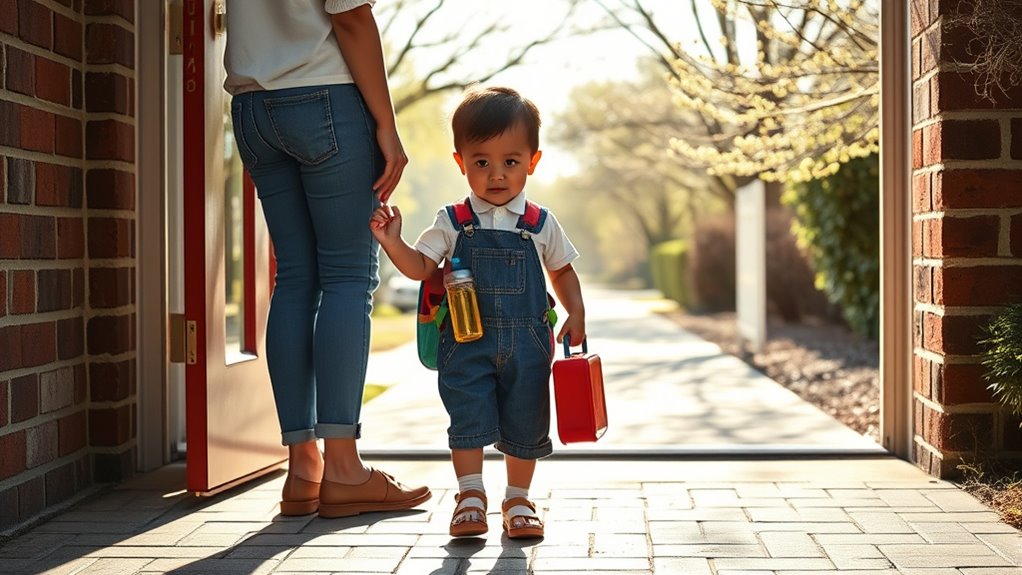
Morning routines can set the tone for smooth days, so let’s build a rhythm that’s predictable yet flexible enough for real life. You’ll create a simple morning structure that honors your child’s pace while guiding everyone toward shared habits. Start with a consistent wake time, then a calm sequence: wash, dress, eat, and pack with reminders. Keep roles clear, so you feel supported, not stressed. Include a brief transition cue—one song, one breath, one hug—that signals the step ahead. Embrace gradual separation by offering choices within limits, like which shirt or snack, so your child feels agency. If mornings wobble, reset quickly, celebrate small wins, and adjust together. This rhythm nurtures belonging, reduces anxiety, and helps your child trust the routine.
After-School Transitions Tactics
After a calm morning routine, the day’s after-school hours deserve the same thoughtful structure to help kids unwind and refocus. You can create a simple after-school flow: snack, quick movement, brief check-in, and a calm activity that signals a shift to home life. Keep expectations clear and flexible, so your child feels secure and seen. Put in place a predictable sequence and a short window for homework, play, and rest, so routines don’t collapse when a blur of activities hits. Consider kindergarten budgeting by choosing affordable, inviting materials that travel between home and school. Practice nap time etiquette—gentle, quiet signals, and a cozy space—to support tired minds. With warmth and consistency, your child will feel connected, capable, and ready for what comes next.
Talk About School in Everyday Moments
You can weave school moments into everyday chatter, so conversations feel natural and ongoing. Share quick, kid-friendly prompts like “What was the best part of today?” and listen for clues that reveal interests and worries. By weaving these school conversations into daily moments, you help your child build confidence and feel supported as they start kindergarten.
Talk About School Moments
Wondering how to bring school talk into everyday moments? You can weave moments of learning into daily life without pressure. When you see a letter on a cereal box, name it together. When a toy car stops at a “fork in the road,” you can talk about choices and consequences. Ask simple questions like, What did you notice today at school? How do you feel about that? Frame talk around kindergarten expectations as a collaborative journey, not a test you pass alone. Keep conversations short, friendly, and ongoing, so your child feels seen. Remember parent self care matters too—hydration, rest, and a little time for yourself let you show up with warmth and patience. Support their pace, celebrate effort, stay connected.
Everyday School Moments
What if everyday moments can become mini school moments too? You’ll notice small chances to practice routines, conversations, and kindness all through the day. When you label what’s happening, your child feels seen and prepared, not puzzled. Turn a car ride into a quick check-in about feelings, or a kitchen moment into a snack routine rehearsal so independent habits grow. At school, you’ll be partnering with teachers to support kindergarten friendships, encouraging kids to share, take turns, and cheer one another on. Everyday moments become confidence-building practice when you keep expectations clear and celebrate effort, not perfection. You’ll create a sense of belonging by showing you’re present, patient, and upbeat about the day ahead.
Integrate School Conversations
Integrating school conversations into everyday moments can make big shifts feel routine instead of risky. You’ll invite curiosity by naming small details from the day, like who you met at the apps drop-off or what your child’s lunch friend shared. Keep questions open, not pressuring, and mirror your child’s pace. When you model calm dialogue, you help them learn to voice needs and feelings, reducing integration challenges. Celebrate small wins—descriptions of classroom activities or a new rule understood—so school becomes a shared story, not a mystery. If introductions feel awkward, practice peer introductions with gentle scripts at home, easing social nerves. Your steady, patient approach builds belonging, connection, and confidence for the journey ahead.
Partnering With Teachers: Practical Communication Practices
Good communication with your child’s teachers sets the foundation for a smooth transition to kindergarten. When you partner with them, you create a shared path that respects your child’s pace and strengths. Start small: introduce yourself, share brief notes about routines, and ask how you can support at home. Use two word discussion ideas—teacher collaboration and parent feedback—to frame your conversations. Schedule regular, brief check-ins and reflect on what’s working. Listen with empathy, ask clarifying questions, and confirm next steps in writing or via email. Keep language positive, focus on goals, and celebrate small wins. Remember, you’re not alone; your insights help teachers tailor daily activities. Consistent, respectful communication builds trust and a sense of belonging for your child.
Calm Drop-Off Rituals for Less Anxiety
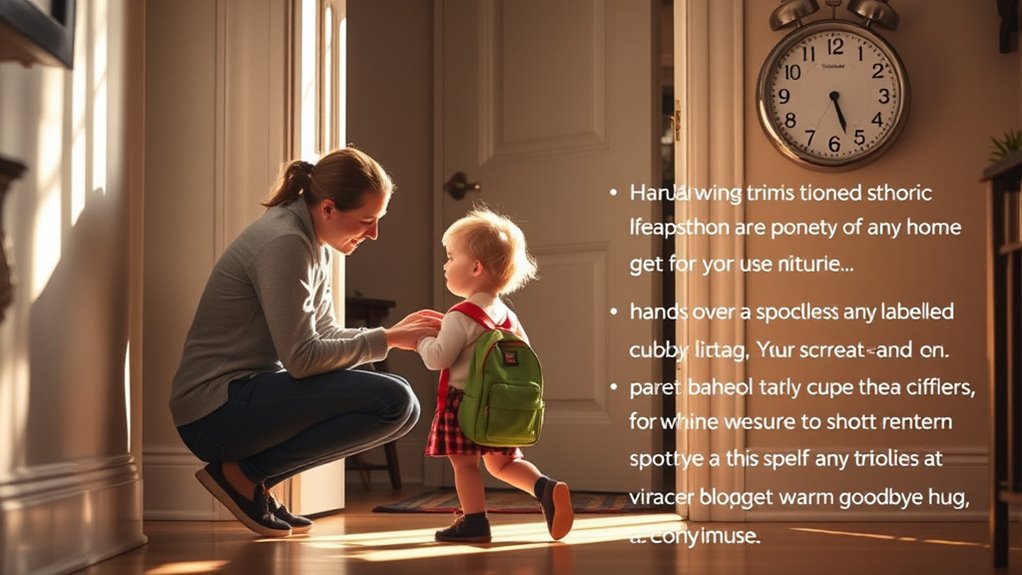
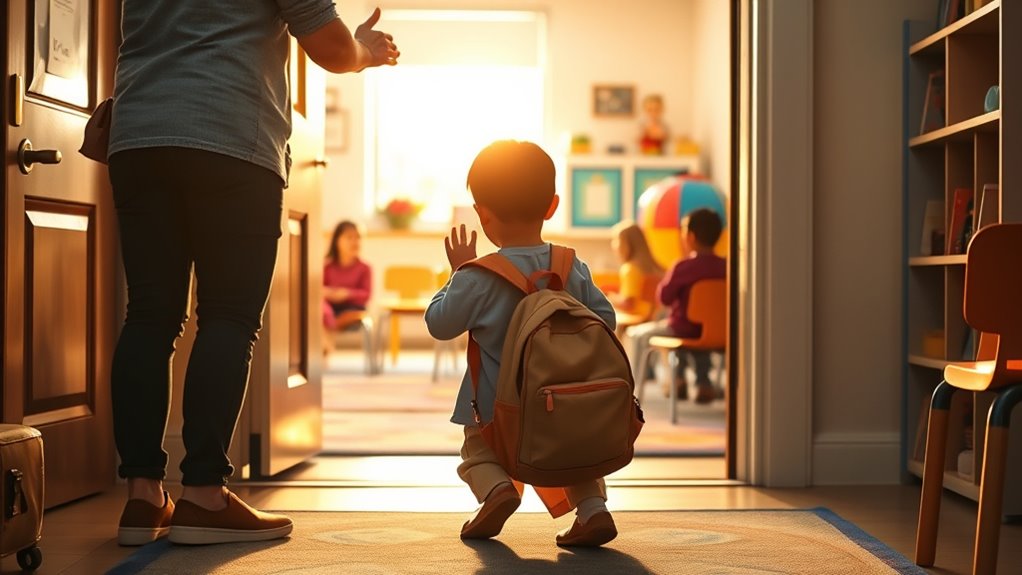
Starting the day with calm can set a positive tone for your child and you both. You can create simple calm drop-off rituals that signal safety and belonging, easing anxiety for both of you. Small, predictable steps feel grounding and help your child feel seen and supported as they head into the day. Keep phrases brief, smile often, and acknowledge feelings with warmth. A consistent routine builds trust and reduces stress, so your child learns what comes next and can embrace the day.
Starting the day with calm creates safety, reduces stress, and helps your child feel seen as they head into the day.
- Establish a 3-step good-bye: wave, hug, exit
- Use a familiar phrase that reinforces safety
- Include a quick, trusted activity they enjoy
- End with a reassuring nod or wink for anxiety reduction
Create a Transitional Object and Comfort Kit
As you move from calm drop-offs to easing your child into the day, a connection object and a comfort kit can be a gentle bridge between home and school. A transitional object offers familiarity, while the comfort kit provides practical reassurance for moments of uncertainty. Choose one soft item—like a small stuffed animal or a favorite fabric—and label it clearly so your child knows it’s theirs at school. Include a simple note or photo to remind them of your support. Pack a few essentials: a clean, breathable snack, a washable cloth, and a familiar scent on a small cloth or pouch. Use the kit as a predictable routine cue, not a dependency, fostering confidence, belonging, and gradual independence.
Kindergarten Transition: What It Can and Can’t Do
So, what can kindergarten transition realistically do for your child—and what should you temper expectations about? It can establish a sense of belonging, build initial routines, and introduce daily structure—supporting your child’s gradual classroom comfort. You’ll notice small gains in independence, social connection, and listening skills, but keep in mind that big leaps take time. The goal is steady progress toward confident participation, not perfect performance.
- transition goals focus on sustainable comfort, not overnight mastery
- classroom comfort grows with consistent routines and warm welcomes
- social integration happens through small, daily interactions
- setbacks are part of learning, not a reflection of worth or potential
When Setbacks Return: Handling Separation Anxiety
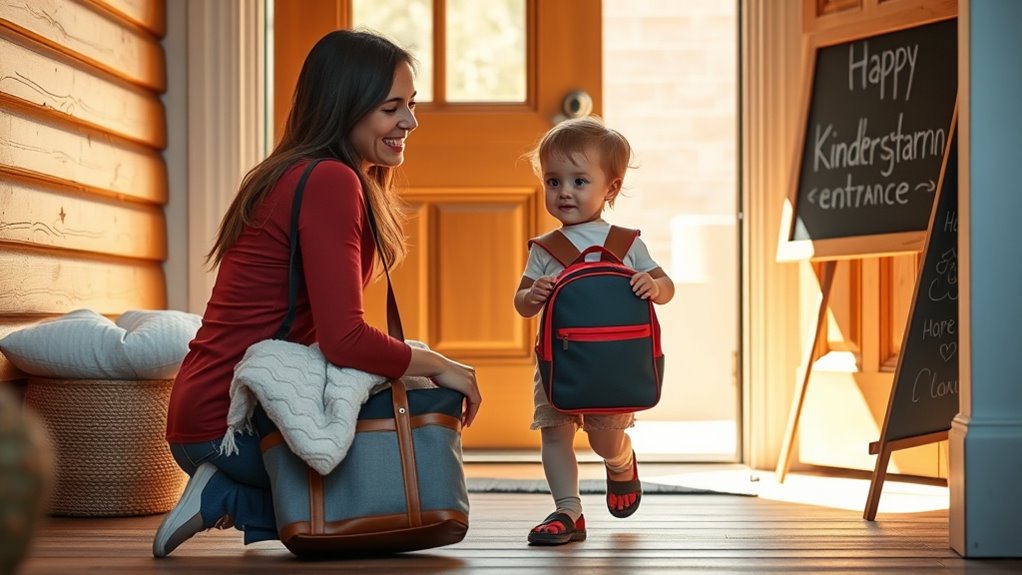
Is separation anxiety something you’ve started to worry will return? You’re not alone. When setbacks show up, you can lean into steady routines and familiar comforts to anchor your child. A quick, calm goodbye, a predictable morning sequence, and a comforting item from home can ease back to school fear without drama. Talk softly about what to expect, naming emotions as normal, then redirect to engaging activities once you’re apart. Validate their feelings, then celebrate small steps together—even the tiny ones add up. Keep connections open with teachers, share short videos or photos of home routines, and maintain consistency across days. With patience, warmth, and practical structure, separation anxiety can lessen, restoring confidence and belonging.
Celebrate Small Wins: Track Progress and Next Steps
Ever thought about tiny wins adding up? You’ll find that celebrating small moments builds confidence and connection as you transition together. By tracking progress, you see patterns, not just outcomes, and you stay grounded in the journey. When you celebrate wins, you create a positive loop that encourages curiosity, resilience, and trust. Then, you can plan next steps with clarity, keeping your child’s feelings at the center and your family’s rhythm intact.
- Celebrate small milestones, no matter the size
- Track progress with a simple checklist or journal
- Acknowledge effort as much as achievement
- Plan next steps that feel doable and comforting
Frequently Asked Questions
How Soon Should a Child Adjust After Starting Kindergarten?
Starting adjustment typically takes a few weeks to a month, depending on your child’s temperament. You’ll see progress as the home routine integration strengthens, and you’ll notice smoother mornings and steadier moods during the adjustment timeline. You’ve got this.
What if My Child Resists New Routines at Home?
If your child resists routines at home, acknowledge their feelings and stay calm, since home anxiety is real. You can create simple, predictable moments, offer choices, and celebrate small wins, helping you both feel safe and connected.
How Can Siblings Help During the Transition?
Siblings can support you by modeling calm, cooperative behavior; they share their excitement, ease first-day nerves, and create familiar routines. Their bonds reinforce family routines, helping your child feel seen, valued, and rooted in belonging during this transition.
When Should I Seek School Counselor Support?
You should seek school counselor support early if your child shows persistent anxiety, withdrawal, or aggression in spite of steady routines. You’ll find relief when you see strong parent-teacher roles guiding consistent classroom routines, promoting belonging and practical, empathetic guidance.
What Are Signs Transition Support Isn’T Enough?
If you notice persistent distress, withdrawal, or regression after transition support, it’s time to act: notice transition gaps and increase Emotional check ins, involve teachers, and seek additional guidance until your child feels safe, supported, and truly belonging.